
Antioxidants, Pain, and the Nervous System: Why This Matters for Your Dog
When we think about pain, we often focus on what we can see—a sore joint, a limp, stiffness after activity. But one of the most important drivers of chronic pain is something happening at a microscopic level: oxidative stress.
Oxidative stress occurs when the body produces more reactive oxygen species (ROS) than it can neutralize. These molecules are a normal part of metabolism, but in excess, they begin to disrupt how cells function. In dogs with chronic pain—whether from arthritis, injury, neurologic disease, or obesity—this imbalance becomes part of the problem.
It’s not just that oxidative stress is present. It actively changes how pain is processed.
At the level of the nervous system, oxidative stress directly influences pain pathways. Specialized ion channels called TRP channels sit on sensory nerves and act like “volume knobs” for pain signals. These channels can be activated by oxidative stress, increasing calcium influx into nerve cells and making them more excitable.
What this means in practical terms is:
nerves fire more easily
signals are amplified
normal sensations can feel painful
Over time, this contributes to what we call central sensitization—the nervous system becoming more reactive and less regulated. Pain is no longer just about tissue damage. It becomes about how the system is processing information.
This is why oxidative stress is not just a byproduct of disease. It is a driver of pain.
Antioxidants help by supporting balance within this system. They don’t “turn off” pain directly, but they influence the environment that allows pain to persist.
They help:
neutralize excess reactive oxygen species
support mitochondrial function (the energy centers of cells)
reduce neuroinflammation and abnormal nerve signaling
One of the most important concepts here is that balance matters.
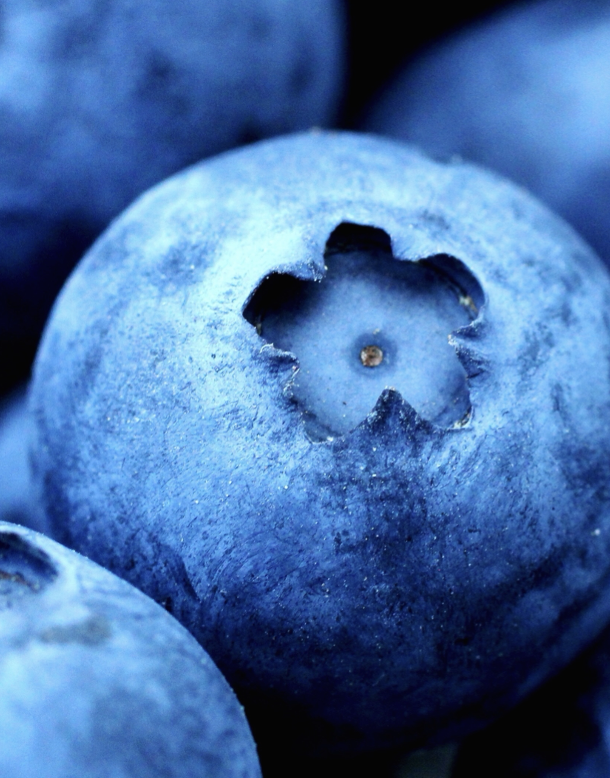
Antioxidants can come from whole foods—vitamins, polyphenols, and carotenoids found in fruits and vegetables. These are delivered in a complex matrix that supports the body’s natural antioxidant systems and carries a low risk of imbalance.
Supplementation, on the other hand, allows us to be more targeted. This can be helpful when:
oxidative stress is high
disease burden is significant
diet alone is not enough
But more is not always better. Some level of oxidative signaling is normal and even necessary for adaptation, healing, and response to exercise. Over-supplementation can blunt these beneficial processes and, in some cases, interfere with recovery.
The goal is not elimination—it’s regulation.
This is where targeted antioxidants like astaxanthin come into the conversation.

Astaxanthin is a naturally occurring carotenoid derived from microalgae (Haematococcus pluvialis) and is one of the most potent antioxidants currently studied. It is a small sea creature that is what makes flamingos pink! What makes it particularly interesting is not just its strength, but where it works.
Astaxanthin integrates into cell membranes, helping protect them from oxidative damage. It also supports mitochondrial integrity, which is critical in tissues under chronic stress. In the nervous system, this translates into a more stable environment for signaling and less amplification of pain pathways.
It also influences inflammatory signaling by downregulating pathways such as NF-κB, which are involved in producing pro-inflammatory cytokines. In this way, it supports both inflammatory and neurologic aspects of pain.
In veterinary studies, astaxanthin has been shown to:
reduce markers of oxidative stress
improve markers of cellular injury
support metabolic health, particularly in obese dogs
enhance recovery following exercise
These effects appear to be more pronounced in dogs experiencing higher levels of physiologic stress, which aligns well with how we think about using it clinically.
From a practical standpoint, astaxanthin is fat-soluble and best given with food. Natural, microalgae-derived forms are preferred, as they are the ones used in canine studies and tend to have better stability and bioavailability.
Typical dosing falls in the range of:
0.2–0.4 mg/kg once daily
It can be used as part of a broader plan for dogs dealing with:
chronic pain
neurologic or spinal conditions
obesity or metabolic stress
high levels of physical demand
Some dogs may experience a change in urine color (a reddish tint), which is benign but worth preparing owners for.
Like many of the tools we use in pain management, astaxanthin is not a standalone solution. But it is a meaningful way to support the systems that influence how pain develops, persists, and resolves.
When we address oxidative stress, we are not just treating inflammation—we are helping regulate the way the body and nervous system respond to it.
And that can make a significant difference in how a dog feels, moves, and recovers over time.
Good Articles to check out if you want to know more:
1) Oxidative stress and food supplementation with antioxidants in therapy dogs — Sechi et al., 2017
In this study, therapy dogs were fed a diet enriched with natural antioxidants like berries, plant extracts, and compounds such as resveratrol. Dogs eating this antioxidant-rich diet showed lower levels of oxidative stress and improved markers of metabolic and liver health compared to dogs on a standard diet.
What this means for your pet:
Antioxidants in the diet can help protect your dog’s cells from everyday stress and inflammation—especially in active, aging, or chronically ill dogs—and may support overall health, recovery, and comfort over time. https://pmc.ncbi.nlm.nih.gov/articles/PMC5508397/pdf/cjvr_03_206.pdf
2) Effects of Astaxanthin Supplementation in Healthy and Obese Dogs, Murai et al., 2019
This study evaluated the effects of astaxanthin supplementation in both healthy and obese dogs over a short-term period (6–8 weeks). Dogs were divided into groups based on body condition and received daily oral supplementation. Blood biomarkers associated with oxidative stress, lipid metabolism, and liver function were measured before and after supplementation.
Dose
Astaxanthin was administered at 0.3 mg/kg orally once daily.
Results
Astaxanthin supplementation led to reductions in oxidative stress markers, including decreased malondialdehyde levels. Improvements were also seen in metabolic and cellular stress markers, including decreased triglycerides and lactate dehydrogenase. In obese dogs specifically, there was a reduction in ALT, suggesting improved hepatic stress. The beneficial effects were more pronounced in obese dogs, indicating a stronger response in metabolically stressed patients.
Conclusion
Astaxanthin supplementation at 0.3 mg/kg daily appears to reduce oxidative stress and improve metabolic biomarkers, particularly in obese dogs. These findings support its role as a targeted antioxidant strategy in patients with increased oxidative burden.
https://pmc.ncbi.nlm.nih.gov/articles/PMC6385744/pdf/vmrr-10-029.pdf
3) This final paper is a great review of what we know about plant based supplements in canine diets-
https://pmc.ncbi.nlm.nih.gov/articles/PMC9291198/pdf/JPN-106-586.pdf
